
University of South Australia structural engineer Professor Yan Zhuge intends to elevate the sophistication and robustness of the Hopkinson bar in determining how different building materials react under mechanical stress during natural disasters.
Professor Zhuge was inspired to experiment with the Hopkinson bar – historically used to judge pressures generated by small explosions and projectile impacts – after lamenting the inaccurate and cumbersome nature of Australia’s current climate-responsive design methods for ageing buildings, bridges and roads.
“The existing testing methods for construction materials are time consuming and often inaccurate,” she says.
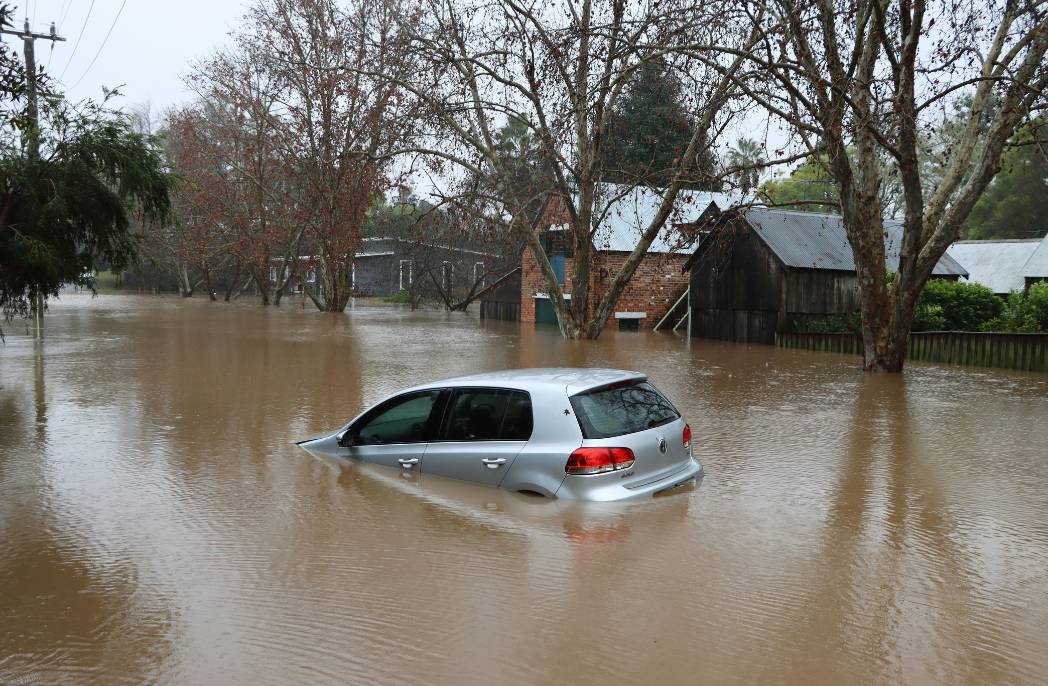
“With the projected increase in natural disasters by 2050 due to climate change, it is essential that we create sturdy structures and systems to protect against a whole range of events.”
Partially funded by a $420,000 ARC Linkage Infrastructure Equipment Facilities (LIEF) grant and bolstered by a $300,000 donation from eight Australian universities, Professor Zhuge will examine if the $720,000 new-generation biaxial Hopkinson bar endures high-impact forces such as bombings, gas explosions, lightning strikes, typhoons, hailstones and tornadoes.
The Hopkinson bar, in its current form, cannot sufficiently test new materials with varying impact energies, which also galvanised Zhuge into action.
Seeking sustainable concrete alternatives
Additionally, with support from a separate ARC Discovery grant, Professor Zhuge is embarking on a world-first project to explore the possibilities of 3D printing reinforced concrete. Although a popular yet still fledgling tool in digital construction, 3D printing lacks real-world application, as the reinforced material is unable to be printed.
“This is the first research project in the world to see if it’s possible to simultaneously print fibro-reinforced polymer along with concrete,” Zhuge says.
This project also aims to uncover a sustainable 3D printing alternative to the emission-efficient Portland cement, an alkali-activated slag binder known to harden quickly and carry low CO2 emissions.
GCCA invites tech start-ups to join journey towards net zero emissions in cement industry.


