

ARBS 2026 drew to a close on 7 May at the Melbourne Convention and Exhibition Centre, but not before clocking up a record number of attendees to the biennial event.
A total of 10,200 attendees made it the largest ARBS in the exhibition’s history, with more than 300 exhibitors filling a 19,000-square metre show floor showcasing their latest products, technologies and innovations in heating, ventilation, air-conditioning and refrigeration (HVAC&R) and building services.
The exhibition was officially opened by Melbourne Lord Mayor Nick Reece (pictured above), and featured a visit from the Federal Minister for Training and Skills, Andrew Giles.
What followed were three days that incorporated more than 100 seminars and product demonstrations, attracting 7,000 session registrations and over 140 speakers drawn from industry, research, government and the global built environment community.
The sessions covered topics ranging from refrigerant transitions and heat pump technology to smart buildings, decarbonisation and workforce development.
“ARBS 2026 has exceeded every expectation. We’re incredibly proud of what the team and the industry have built together and deeply grateful to every exhibitor, speaker, partner and attendee who made this gathering so successful,” ARBS CEO Amanda Searle said.
Program highlights included the Women Igniting Change event, co-delivered with FPA Australia, the ARBS Future Leader Awards and the ARBS Industry Excellence Awards Gala Dinner held at Zinc, Federation Square on 6 May, hosted by broadcaster Myf Warhurst.
Seven awards were presented across product innovation, project delivery and education, alongside the induction of six individuals into the ARBS Hall of Fame.
“ARBS exists to serve this industry, and events like this remind us of the extraordinary depth of talent, innovation and dedication within it,” ARBS chair Professor Tony Arnel said. “Record attendance is a wonderful outcome, but what matters most is the connections made, the knowledge shared and the sense of community that ARBS brings together every two years.”
Below are the exclusive reactions to the event by three key participants:
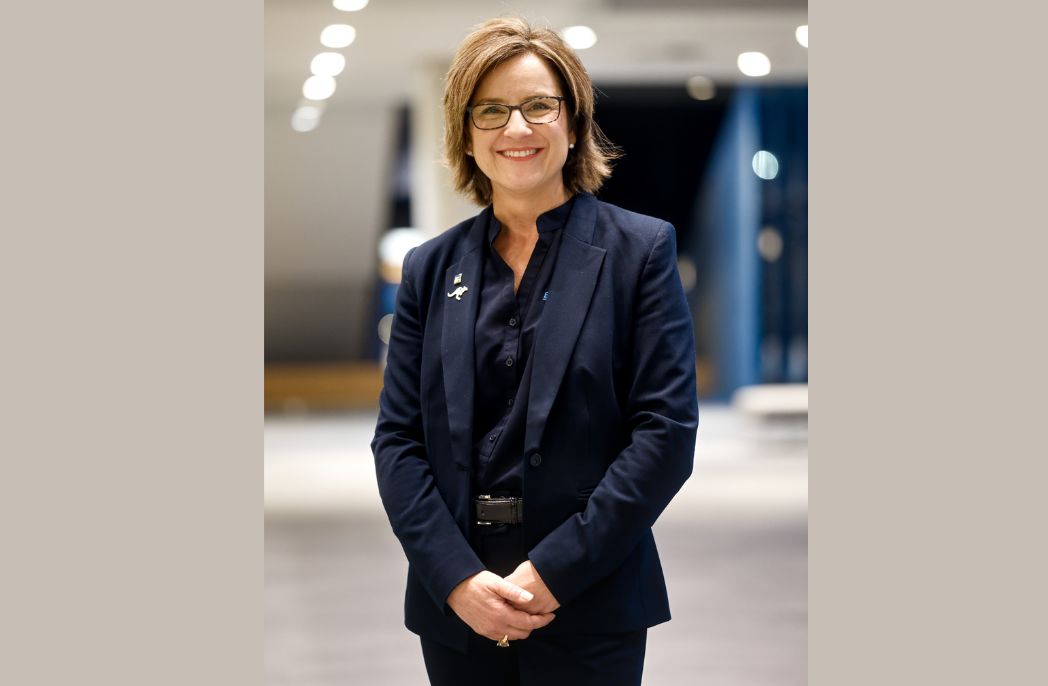
Elizabeth Paparo, marketing manager Beijer Ref. Image: Supplied.
Elizabeth Paparo, marketing manager Beijer Ref
What are you most excited about when it comes to the current state of the industry?
Throughout ARBS, I noticed the young technicians attending, many of them experiencing ARBS for the first time or still completing their apprenticeships. It’s exciting to see the next generation engaged and willing to attend industry events like this. We’re also seeing this through initiatives like the Kirby Apprentice Fund CO2 Training Scholarship program. Young technicians understand the industry is evolving rapidly towards more sustainable solutions and they’re keen to get ahead by building their skills and knowledge early. That enthusiasm and willingness to adapt are incredibly exciting for the future of our industry.
What did this year’s ARBS 2026 exhibition mean for you and your team?
ARBS provided a fantastic opportunity to showcase our latest equipment, technology and service offering to a broader audience. It was great to see record-breaking attendance this year and we experienced strong engagement at our stand. The event gave us the chance to connect with both existing customers and new contacts, introducing them to new tools, customisable equipment and ways of doing business.
Having many of our team on the stand also allowed visitors to speak directly with experts across both refrigeration and HVAC, helping increase awareness of the depth of support and expertise we can offer when it comes to meeting their project needs.
What is your forecast for the HVAC&R sector in the short to mid term?
The HVAC&R sector is continuing to evolve at a rapid pace, particularly as the industry transitions towards more energy-efficient and lower-Global Warming Potential (GWP) technologies. In the short to mid term, I expect we’ll see continued growth in demand for sustainable solutions, continued adoption of natural refrigerants and smarter, connected systems, as well as a stronger focus on training and upskilling across the industry.
There are opportunities for businesses and technicians who are prepared to invest in education and training. I encourage them to get online or connect with us to see what’s available.
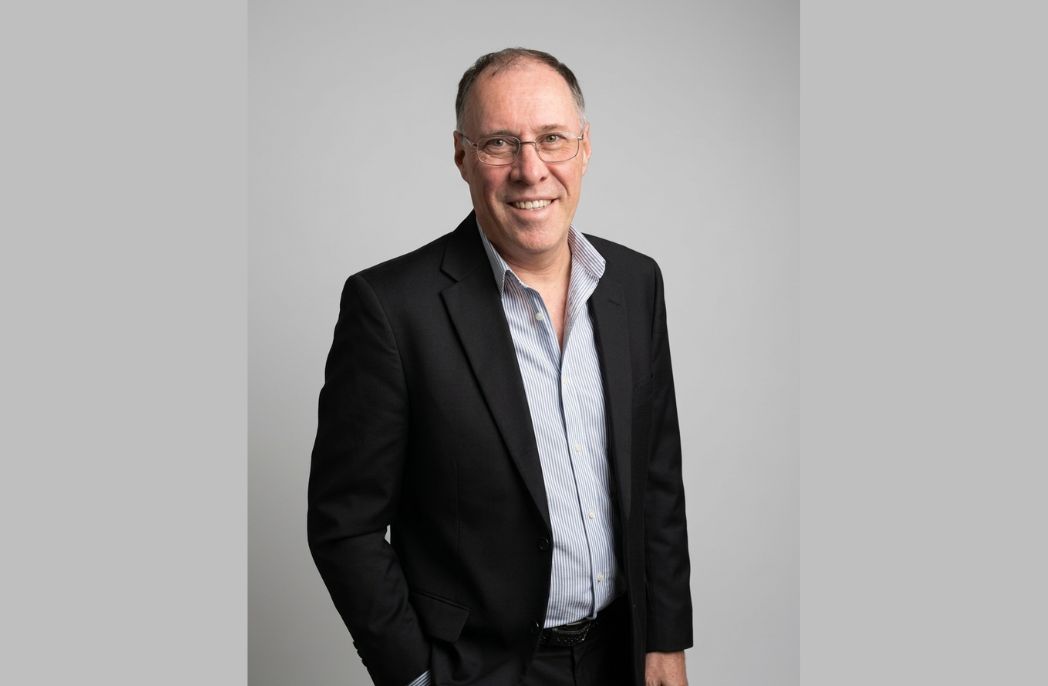
Gary Knox, engineering manager at Daikin Australia. Image: Supplied.
Gary Knox, engineering manager at Daikin Australia
What are you most excited about when it comes to the current state of the industry?
This is one of the most significant periods of change the HVAC&R industry has seen in decades. Refrigerant transition, energy efficiency, electrification, indoor environment quality and intelligent electricity demand response are all reshaping how buildings are designed and operated.
What excites me most is that HVAC&R is no longer viewed simply as building infrastructure. It is now central to energy performance, occupant wellbeing and operational resilience. For facility managers and building owners, this means greater focus on life cycle performance, system integration and long-term sustainability outcomes.
What did this year’s ARBS 2026 exhibition mean for you and your team?
This year’s ARBS reinforced how dynamic and forward-looking the HVAC&R industry has become. A key theme was the growing connection between HVAC performance, electrification, digital controls and intelligent building management.
For Daikin, ARBS is an important opportunity to engage with consultants, contractors, facility managers, engineers and policymakers on the future of the built environment. The response was very positive, particularly around technologies that support energy efficiency, indoor air quality, operational reliability and future regulatory requirements. Overall, ARBS highlighted the need for stronger collaboration across the industry to deliver more efficient, resilient and sustainable buildings.
What is your forecast for the HVAC&R sector in the short to mid term?
I remain optimistic about the short to mid term outlook for HVAC&R. The sector is well- positioned for growth as electrification accelerates and more organisations align around net zero goals. Key trends will include lower global warming potential refrigerants, improved energy efficiency, stronger focus on indoor air quality, and greater integration with building and energy management systems, requiring holistic system design and smarter controls.
Ultimately, HVAC&R has a central role to play in supporting Australia’s pathway to net zero by 2050. By helping building owners reduce emissions while maintaining comfort, reliability and occupant wellbeing, the industry will continue to provide essential value. I expect this combination of environmental responsibility and practical performance to underpin sustained growth and innovation across the sector in the years ahead.

Reza Maziar, national technical manager Mitsubishi Heavy Industries Air-Conditioners Australia. Image: Supplied.
Reza Maziar, national technical manager Mitsubishi Heavy Industries Air-Conditioners Australia
What are you most excited about when it comes to the current state of the industry?
The rapid transition of our industry to smarter, more efficient and environmentally friendly solutions. The HVAC industry is evolving beyond the traditional cooling and heating methods, to sustainability, building performance and users’ lifestyle and wellness. I am particularly excited to see the influence of AI, innovations around electrification and automation.
What did this year’s ARBS 2026 exhibition mean for you and your team?
[It was an opportunity to] reconnect with industry partners, observe the evolution of the market and [understand] customer demands for future development ideas.
What is your forecast for the HVAC&R sector in the short to mid term?
In my opinion, the HVAC industry will continue to grow towards sustainable products and solutions, [with a focus on] electrification, AI and indoor air quality.
The next major ARBS exhibition will be held in Sydney in 2028. In the meantime, the industry’s attention turns to ARBSQLD, the boutique Queensland event with a focus on hands-on-learning, which is set to take place on 2-3 June 2027 at the Brisbane Convention and Exhibition Centre. More details about that event can be found at arbs.com.au.
Read more: Opinion: The HVAC&R skills gap won’t shift until we do more


