

After a hugely successful and educational trial, Plus Architecture has permanently implemented a nine-day working fortnight as part of the benefits scheme afforded to full-time employees at its Brisbane and Gold Coast studios.
Facility Management last spoke to Plus Architecture principal Rebecca Wright in April when the nine-day fortnight trial was in its infancy. Since then, not only has a happier, healthier and more productive workforce emerged, but employees report a great improvement in time management and communication skills.
Plus Architecture’s implementation of a nine-day working fortnight has enabled employees to shed a Garfield-esque proclivity.
“The most surprising outcome is that everyone loves Mondays now,” says practice principal Rebecca Wright.
“You come in and it’s like you’re working from home in a way because the studio is so peaceful and focused, but we still banter.”
Wright hopes the trial’s encouraging results act as a pillar of guidance for other offices and industries eager to champion flexible working options for employees.
“Change can only occur if we make it happen,” she says. “You make a change and tweak that change and just keep working at it until you get it right.” Pursuing a universally beneficial system is challenging, yet achievable when approached with meaning and gusto.
In April last year, 30 Plus Architecture Queensland-based employees started the trial and 30 employees finished. In line with the practice’s commitment to empowering employees to exercise choice and agency, Wright says some people who completed the trial have returned to a ten-day fortnight due to lifestyle changes.
“Whilst some people have returned to a ten-day fortnight, we have had students finish their studies opting into the nine day fortnight program.” she says.
“Additionally, when full-time employees come off probation, they can choose to go on the nine-day fortnight.”
Wright says employees overwhelmingly appreciate the extra day off every fortnight.
“Employee wellbeing has changed and that is seen through metrics such as monitoring leave. Productivity has also increased and profitability has slightly increased.”
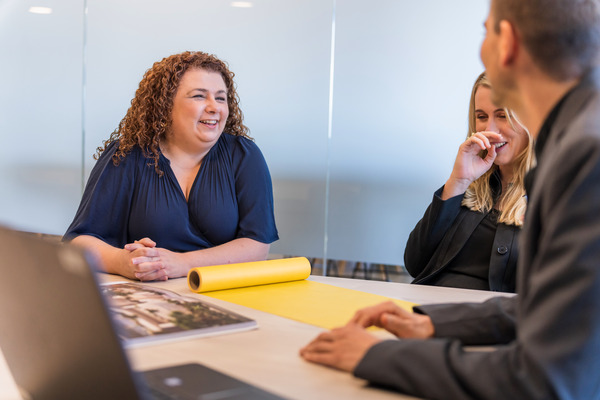
Wright hopes the trial’s encouraging results act as a pillar of guidance for other offices and industries eager to champion flexible working options for employees.
A need for organisation and communication
At the start of the trial, participating employees across both studios were divided into four groups and switched between having an alternate Monday and Friday off every month.
However, this alternating process inadvertently created a bottleneck for meetings and attempting to secure a time between Tuesday and Thursday proved difficult. Wright says the complication was uncovered in the monthly engagement surveys and feedback sessions.
After the initial trial was finished, the practice extended the trial for another two months.
“We extended the trial through July and August.. We changed it over to be alternating Monday’s, which basically made a vast improvement because you’ve now have a four-day week to collaborate with the team, which is significant,” Wright says.
She cites an additional early yet quickly resolved casualty was navigating project handovers with people in the studio on different days. “With three days, there was less touch time with team members, so having that four-day exposure, we had more time to interface on projects and do project handovers.”
Wright says navigating meeting times and project deadlines with fewer bodies in the studio encouraged the team to extend forward thinking and refine organisation skills, which subsequently emerged as one of the most profound changes of the trial.
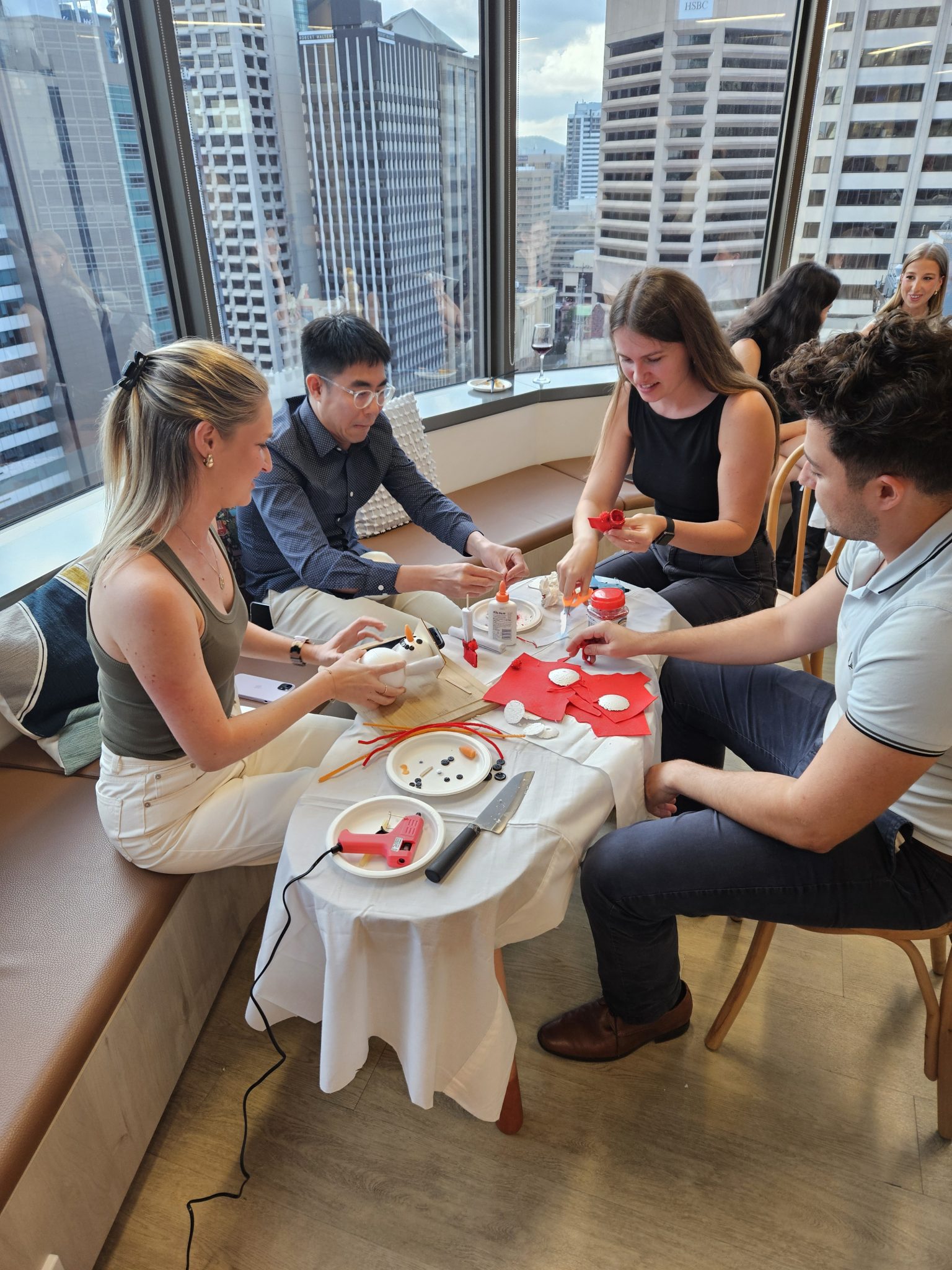
Even with some employees off on Fridays, both studios maintained a reputation for hosting team-building activities that nurture the team’s penchant for creativity and lateral thinking.
“The team have come streets ahead now with learning how to manage their time better and communicate and it’s created less anxiety in the team because they’re feeling a lot more organised and structured,” she says.
Mastering the knack to disconnect
Wright says a challenge that remains from the trial is the ability to disconnect, however she believes that learning to disconnect can be reached with self-sufficiency and maturity and setting personal standards and goals. Finding a flexible work week suitable to an individual employee stems from allowing employees to try, test and experiment.
“We’re teaching the team to make sure they put an office assistant on, and it’s their choice if they want to pick up the phone or look at their team’s messages,” Wright says.
She says senior members confessed to initially finding disconnecting difficult, which may signify a generational divide in attitudes towards work-life balance and maintaining wellbeing. “The senior members of the team have come further along and now have much healthier habits,” Wright says.
Being the adult in the situation
A criticism of the four-day working week is that it only suits unproductive employees and risks endurance waning in the lead up to a Friday off. However, Wright observed the opposite, as with the promise of a three-day weekend starting on Friday, productivity and spirits lifted.
“The team would just become more organised and manage their programs themselves and ask for help earlier,” she says. “It’s about being the adult in the situation and trusting yourself and your team.”
Wright says another significant change was the stronger willingness to collaborate and avoid someone shouldering the burden solo, meaning employees demonstrated maturity and vulnerability and requested help when needed.
“We reinforced to the team that they’re not on their own,” she says.
Upskilling and reduced leave
Wright also noticed a decrease in personal leave requests, as a long weekend every fortnight allows time to reset and life admin.
“From my point of view, the reduced personal leave improved the bottom line,” she says.
Wright polled her team to gauge the most prominent upskilling areas.
“The key upskilling areas were time management and communication, email management,project delivery and client management,” she says. Such skills were acquired by relying on colleagues for support and championing clear communication. Wright comments that this desire to lend a hand and commit to ongoing check-ins has continued beyond the trial.
An studio-wide aptitude for open communication was also revealed in the ‘10-minute wrap-ups’ on Friday mornings. Also referred to as a ‘Town Hall meeting’ in the industry, the ‘wrap-ups’ invite employees to share upcoming routines and schedules.
“We go around the room and everyone says what they’ve done and what they’re meant to be doing next week,” Wright says.
“Everyone needs to know what’s happening because we need to be able to hold the ship when people are not available.”
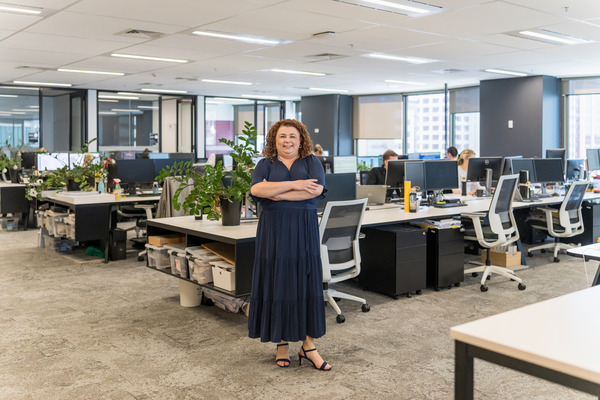
Wright says the key to achieving flexible working solutions is about “being the adult in the situation and trusting yourself and your team.”
Balancing hybrid workforce desires
Wright says the practice has always allowed for a work-from-home option, however an in-studio workforce is preferred due to the diversity and vibrancy of the team and how they each enrich the studio experience.
“We’ll let you work from home when you need to, but we’d prefer collaboration in the office,” she says. “We’ve got a great spread of employees from young Millennials through to Boomers, and making a system that works for all is a challenge, but it’s doable.”
An additional surprising outcome that emerged was the tendency for the studio to characterise a day. Mondays are now peaceful and slow-paced, whereas Tuesdays and Thursdays involve training and meetings, Wednesdays are bustling and focused and Fridays feature socialisation and planning for the week ahead.
“We always try to get that balance across the team to make sure they’re getting training and culture and the things that make them happier in the workforce,” Wright says.
Fridays are one of the practice’s ‘Culture Days’ – promising afternoon knock-offs and debriefs. “People work up to the Friday afternoon drinks and we ease off as a team collectively, so you get that unwinding feeling before you head into the weekend.”
Business as usual
Aspiring nine-day fortnight workplaces will also revel in client reception to Plus Architecture’s trial.
Wright admits to being slightly nervous about client response, however planning, communication and ordering priorities remedied any possible complications that arose and clients were not negatively impacted.
“We were really worried clients would feel it, but the feedback revealed that they were largely unaware of the shift,” she says. “We didn’t go out and announce it to the clients. We just wanted to see what impact it had and we didn’t receive any phone calls asking where that person was, because there was always someone to cover it.”
Wright was warmed by the adaptability of the team and realised the power of a shared dream.
“I was surprised at how quickly they adapted because we changed the schedule three months in and made tweaks to our everyday practices, so everyone was trying really hard to make it work,” she says.
Even with some employees off on Fridays, both studios maintained a reputation for hosting enviable team-building activities that nurture the team’s penchant for creativity and lateral thinking.
“At Christmas time, we do a range of activities like gingerbread house making, and we ask people to work as a team, but not in their normal team. We mix it up,” Wright says.
She cites the cocktail-making competition as a personal favourite, as she is tasked with judging, and therefore sampling. “It’s about bringing the team together on a Friday or after a huge year and having a bit of fun with each other.”
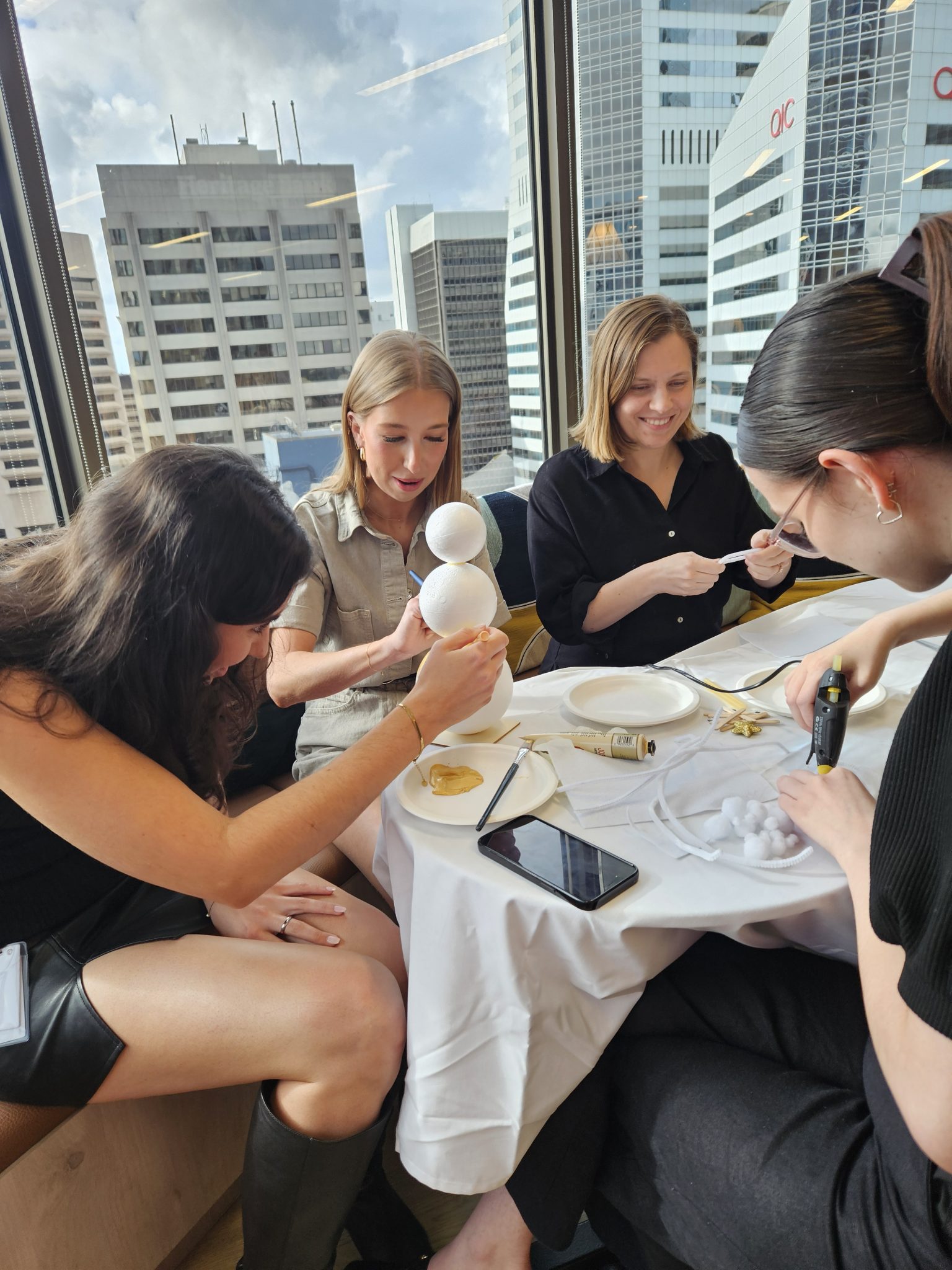
Wright says the practice has always allowed for a work-from-home option, however an in-studio workforce is preferred due to the diversity and vibrancy of the team and how they each enrich the studio experience.
Efficiency within work hours
When Facility Management spoke to Wright in the first week of the trial, the masthead enquired as to whether a reduced working fortnight could alleviate anxiety and stress levels and eliminate the idea that architecture is synonymous with demanding workloads and burning the candle at both ends.
Wright says the nine-day fortnight has played a part in re-characterising architecture and attitudes and perspectives towards work in general.
“It has alleviated stress and anxiety by promoting productivity and efficiency during work hours, and that’s the key,” she says.
Wright says it is imperative for any industry to understand wellbeing and mental stability must not be sacrificed in the pursuit towards success and prosperity.
“A structured and balanced work model can lead to exceptional outcomes for both the team and clients,” Wright says.
“The cultural shift brought about by the nine-day fortnight has strengthened productivity, collaboration, and resilience with the team, ensuring we continue to meet the demands of our profession without compromising personal wellbeing.”
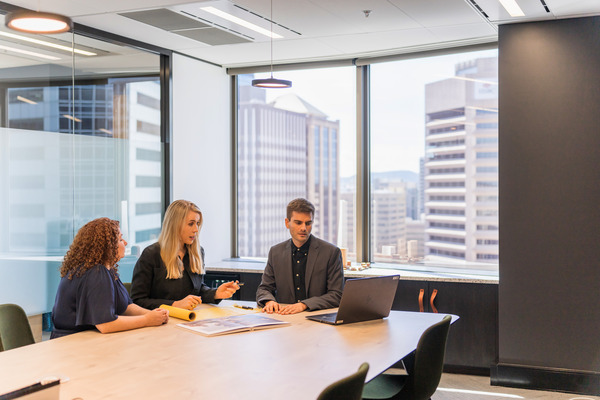
Wright says it is imperative for any industry to understand wellbeing and mental stability must not be sacrificed in the pursuit towards success and prosperity.
Solidarity and empathy are essential
A successful reduced working fortnight is reliant on organisation, collaboration, destigmatising asking for help and understanding employees have autonomy.
Even in the event of a ‘grenade’, which Wright says translates to a last-minute project in industry parlance, success can be reached with teamwork.
“We’ve learned to work together and everyone shares the problem so it doesn’t feel like a burden,” she says. Empathising with the anxieties of colleagues is essential.
“People chip in because they’re now so much better at being across their programs and doing what they can to help somebody else – it’s assisted with removing the stigma around working late to get the job done.”
Wright says allowing a competitive workplace to flourish and heroising unattainable working behaviours is harmful, as overworking and staying late at the office is not a universal goal and should not be regarded as a standard.
“It’s up to me how I balance my day,” she says. “Whatever removes your own personal anxiety is whatever works for you – everyone trying to outdo each other is going to promote an unhealthy work environment.”
Wright says overall sharing ideas and absorbing criticism helped realise the team’s key goals of client satisfaction and beautiful design. While workplace standards and expectations are ever-evolving and subject to change, Plus Architecture’s Gold Coast and Brisbane studios are riding the high of a successful trial.
“Things are always changing and you’ve just got to adapt, but right now, it’s working for us,” Wright says.
Photography supplied.
Why home is a work-free haven for many.


