

When budgets are under pressure, it can be tempting to select the lowest-cost option for building assets. But for facility managers responsible for long-term performance, the cheapest purchase price can often become the most expensive decision over time.
Automatic doors are a clear example. They are high-use, safety-critical assets that directly affect building access, energy efficiency, occupant experience and maintenance budgets. When life cycle cost is considered, the lowest initial price rarely delivers the best value.
“A door should not be looked at as simply a product installed on day one and forgotten,” Gilgen Door Systems Australia managing director Richard Whitfield says. “It is an operational asset that will influence safety, reliability and user experience every day for many years.”
The hidden costs of a ‘set and forget’ approach
In many commercial buildings, hospitals, retail centres and transport hubs, automatic doors operate thousands of times each week. This constant use places significant demand on motors, sensors, tracks, seals and control systems.
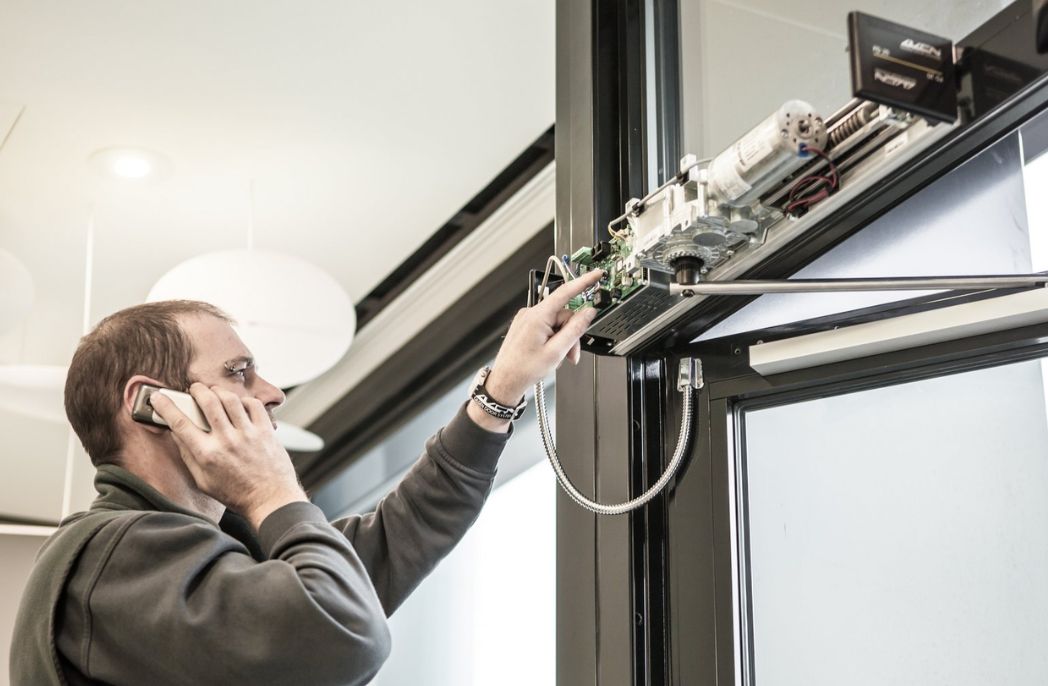
Whitfield says that if not properly maintained, a ‘set and forget’ approach can have a series of hidden costs, including:
- increased service callouts
- more frequent parts replacement
- unplanned downtime
- disruption to tenants, staff or visitors, and
- higher administration and contractor management time.
“If a system requires more maintenance, experiences more downtime or needs earlier replacement, the true cost can quickly exceed the savings made at purchase,” he adds.
Performance matters every day
Reliability is particularly important, because entrances are among the most visible assets in any facility. A door that stops working can affect accessibility, security, traffic flow and first impressions of a building.
Energy performance is another key consideration. Doors that open too slowly, remain open too long or fail to seal effectively can increase heating and cooling loads. Across a large facility or portfolio, these inefficiencies can add measurable operating cost over time.
“Entrances are the interface between the building and its users. When they perform well, people barely notice them. But if they fail, their impact is felt immediately,” Whitfield says.
A smarter way to evaluate value
The smarter procurement question is therefore not ‘What does the door cost today?’ but ‘What will it cost over 10 to 15 years?’
A life cycle approach typically considers:
- expected service life
- preventive maintenance requirements
- spare parts availability
- downtime risk
- energy performance
- safety and compliance support, and
- future integration and ease of upgrades.
Robust engineering, dependable components and local service support can reduce disruptions and extend asset life. Increasingly, connected technologies also allow facility managers to monitor performance, identify faults early and move from reactive repairs to planned maintenance.
“Facility managers are increasingly sophisticated in how they assess value. They are looking beyond capital cost and focusing on reliability, serviceability and whole-of-life performance,” Whitfield says.
For organisations managing multiple sites, even small reliability gains can translate into substantial savings when multiplied across a portfolio.
Automatic doors may seem like a small line item in a capital project, but they influence daily operations for years after installation. Choosing solely on upfront price can lock in avoidable costs long after the purchase order is signed.
“The best investment is rarely the cheapest option. It is the solution that continues to deliver dependable performance year after year,” Whitfield says.
“In an environment where every dollar must work harder, the cheapest door can often end up being the most expensive one.”
For more information, visit aus.gilgendoorsystems.com
Images: Supplied
Read more: Access Entry completes rebrand to Gilgen


